Decoding the impact of Sweden's gambling authority on evolving bonus transparency protocols for international game studios
Skriven av Mia Powell · 2026-09-28
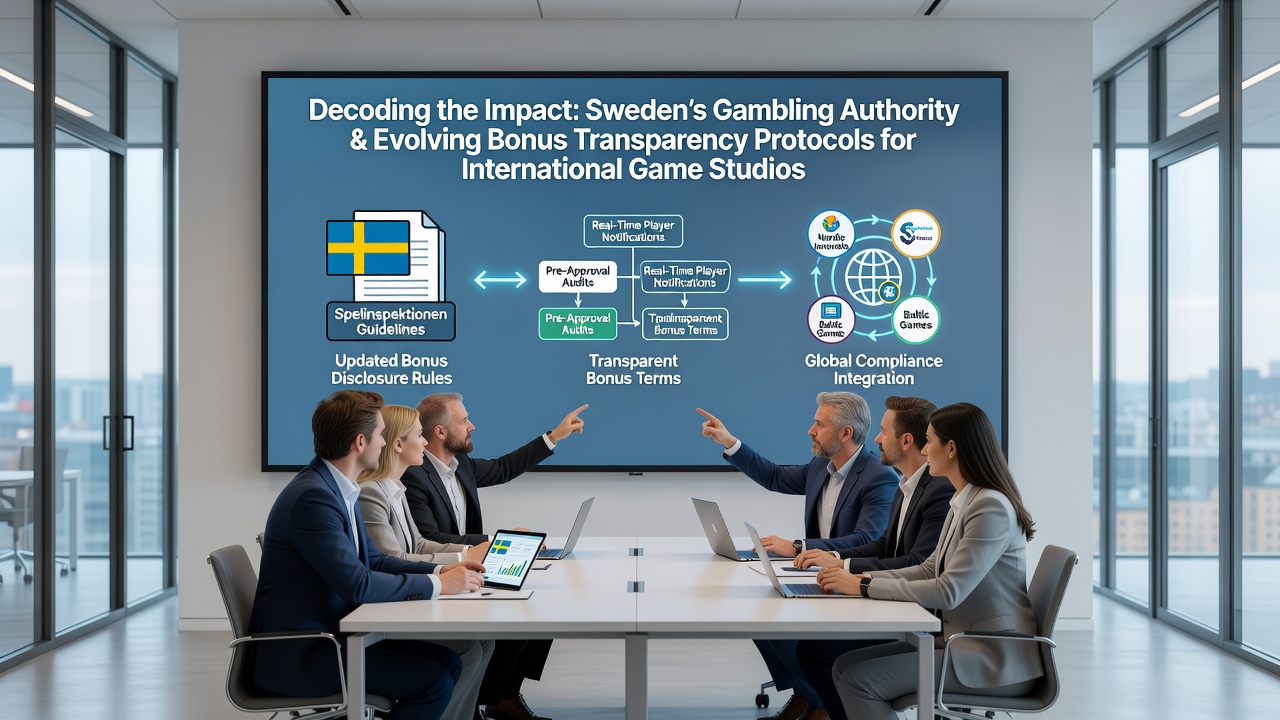
Decoding the impact of Sweden's gambling authority on evolving bonus transparency protocols for international game studios
Sweden's gambling authority, known as Spelinspektionen, maintains strict oversight of bonus structures offered through licensed platforms, and this framework continues to shape how international game studios adapt their promotional mechanics. Studios operating across multiple jurisdictions must align their bonus transparency protocols with these requirements, which emphasize clear disclosure of wagering conditions, expiration terms, and eligibility criteria. Data from regulatory filings shows that compliance adjustments have accelerated since the licensing system expanded in 2019, particularly for providers targeting Swedish players through mobile and desktop channels.
Core Requirements Driving Protocol Changes
Spelinspektionen enforces rules that mandate full visibility into bonus terms before players accept any offer, and this has prompted studios to redesign their user interfaces and backend systems. International developers now integrate standardized notification layers that display contribution rates to wagering requirements alongside each promotion. According to figures from the Swedish gambling authority, the number of licensed operators reporting updated bonus disclosure tools rose steadily through 2025 and into 2026, reflecting broader industry alignment with transparency mandates.
Game studios based outside Sweden often face the added task of reconciling these rules with frameworks in other markets. Observers note that many companies now maintain separate bonus modules for Swedish traffic while preserving flexible structures elsewhere. This modular approach allows providers to meet local disclosure standards without overhauling global operations, yet it requires ongoing coordination between legal, product, and compliance teams.
Technical Adaptations Among Global Providers
International studios have introduced automated audit trails that log every bonus presentation to players, creating verifiable records for regulatory review. These systems track whether terms appear before acceptance and whether players can review conditions at any point during gameplay. Research from industry monitoring groups indicates that studios implementing such logging features report fewer compliance queries from Spelinspektionen inspectors.

By September 2026, several major providers had expanded their transparency dashboards to include real-time breakdowns of bonus usage statistics. These updates allow operators to demonstrate adherence to Spelinspektionen guidelines when submitting periodic reports. teh changes also support quicker responses to player complaints about unclear promotional terms, since detailed logs can be retrieved within minutes rather than days.
Cross-Border Effects on Studio Operations
Studios headquartered in North America and Asia have adjusted their development pipelines to accommodate Swedish disclosure rules alongside other regional standards. One common adaptation involves embedding jurisdiction-specific flags within game code that trigger different bonus presentation sequences based on player location. European Gaming and Betting Association reports highlight that such technical layering has become standard practice among larger providers seeking licenses in multiple territories.
Smaller studios sometimes partner with established operators to handle compliance layers, shifting the burden of transparency protocol maintenance while retaining control over core game mechanics. This arrangement reduces direct interaction with Spelinspektionen while still ensuring that bonus offers meet required clarity thresholds. Data shared through trade associations shows that collaborative models have grown in popularity as licensing costs and reporting demands increase.
Conclusion
Spelinspektionen's emphasis on bonus transparency has produced measurable shifts in how international game studios structure and present promotional content. Studios continue to refine their systems to satisfy disclosure obligations, and the resulting protocols often extend benefits to players in other regulated markets. As licensing frameworks evolve, providers maintain focus on verifiable documentation and modular compliance tools that address Swedish requirements without disrupting broader operational strategies.