Examining Player Education Resources for Optimizing Game Selection Within Licensed Swedish Mobile Casino Environments
Skriven av Mia Powell · 2026-10-12
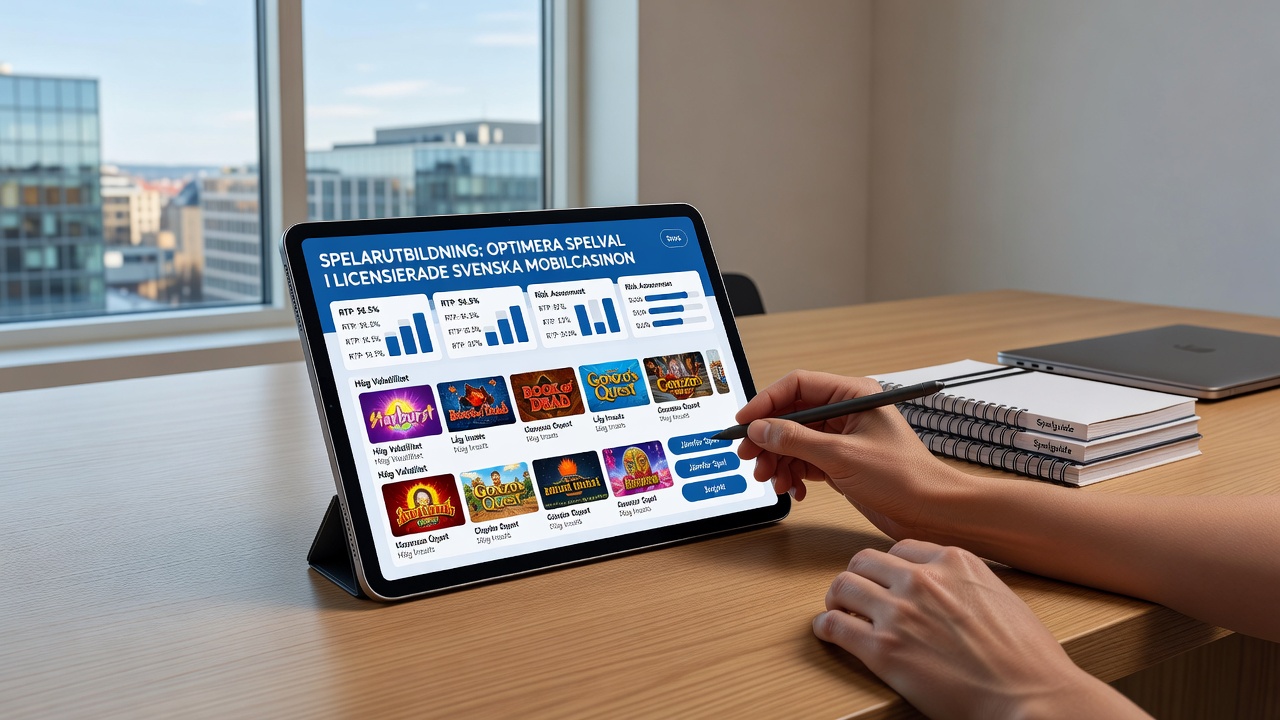
Examining Player Education Resources for Optimizing Game Selection Within Licensed Swedish Mobile Casino Environments
Swedish mobile casino platforms operate under strict licensing requirements enforced by the national regulator, and player education resources form a core component of those obligations. Licensed operators must provide clear information on game mechanics, return-to-player percentages, and risk factors so users can make informed choices before placing bets on their devices. These resources appear in multiple formats including interactive tutorials, rule explanations, and probability breakdowns that adapt to smaller screens.
Swedish Licensing Requirements for Educational Content
Operators holding a Spelinspektionen license must integrate mandatory disclosure elements into their mobile applications, and compliance checks occur at regular intervals throughout the year. Data from the authority shows that all approved platforms include sections detailing volatility levels, bonus structures, and payout frequencies for every title in their library. Players access this material through menu options or pop-up prompts triggered during initial navigation, which helps them evaluate whether a particular slot or table game aligns with their preferred risk profile.
Updates to these disclosure standards took effect in early 2026, and further refinements appeared in October 2026 when new guidelines clarified how mobile interfaces should present real-time RTP data alongside game thumbnails. Licensed sites now display short explanatory videos that users can watch before launching any title, and the content covers topics such as payline configurations and symbol hierarchies in a format optimized for touch navigation.
Types of Resources Available to Mobile Users
Swedish licensed casinos deliver education through several channels that function seamlessly on smartphones and tablets. Static rule pages remain available for reference, yet many platforms now emphasize dynamic tools such as game simulators and filter systems that sort titles by volatility or theme. These filters allow users to narrow options based on criteria like hit frequency or bonus round complexity before committing funds.
One study released by an independent Nordic research group examined how players interact with these tools and found that individuals who reviewed probability information prior to selection spent longer on lower-volatility games. The report also noted increased use of demo modes, where players test mechanics without financial stakes, and this pattern held across multiple licensed operators during the first three quarters of 2026.

How Players Apply Educational Tools During Selection
Mobile users typically begin by consulting the RTP and volatility indicators displayed next to each game icon, and they then cross-reference those figures with personal session goals stored in account settings. Operators provide comparison charts that highlight differences between progressive jackpot slots and fixed-payout video poker variants, which supports quicker decisions on smaller screens. Educational pop-ups also remind players of session time limits and deposit caps that Swedish regulations require every licensed site to enforce.
External data from Spelinspektionen indicates that mobile traffic accounts for over seventy percent of all licensed activity, and the authority tracks how often players access help sections before initiating play. In October 2026 the regulator published aggregated figures showing a measurable rise in tutorial views compared with the previous year, particularly among users selecting live dealer options on tablets.
Integration With Responsible Gaming Features
Player education resources frequently link directly to self-assessment questionnaires and limit-setting menus that licensed operators must maintain. These connections allow users to review their recent game selections alongside spending summaries, which encourages adjustments when patterns deviate from initial plans. Mobile apps present these tools in collapsible panels so the main game library remains visible while users consult additional guidance.
Research published by the Canadian Centre on Substance Use and Addiction examined similar disclosure practices in multiple jurisdictions and reported that clear presentation of game attributes correlates with reduced frequency of unplanned deposits. Swedish platforms apply comparable design principles, and observers note that October 2026 updates included improved accessibility features such as adjustable text sizes within educational overlays.
Conclusion
Licensed Swedish mobile casino environments continue to refine player education resources in response to regulatory updates and usage data collected through 2026. These materials equip users with concrete details on game parameters, enabling more deliberate selection processes within the constraints of national licensing rules. As mobile interfaces evolve, the focus remains on delivering accurate, accessible information that supports informed decision-making across all approved titles.