How Swedish Licensing Rules Drive Game Provider Shifts Toward Secure Payment Integrations for Mobile Users
Skriven av Iris Coleman · 2026-08-31
How Swedish Licensing Rules Drive Game Provider Shifts Toward Secure Payment Integrations for Mobile Users
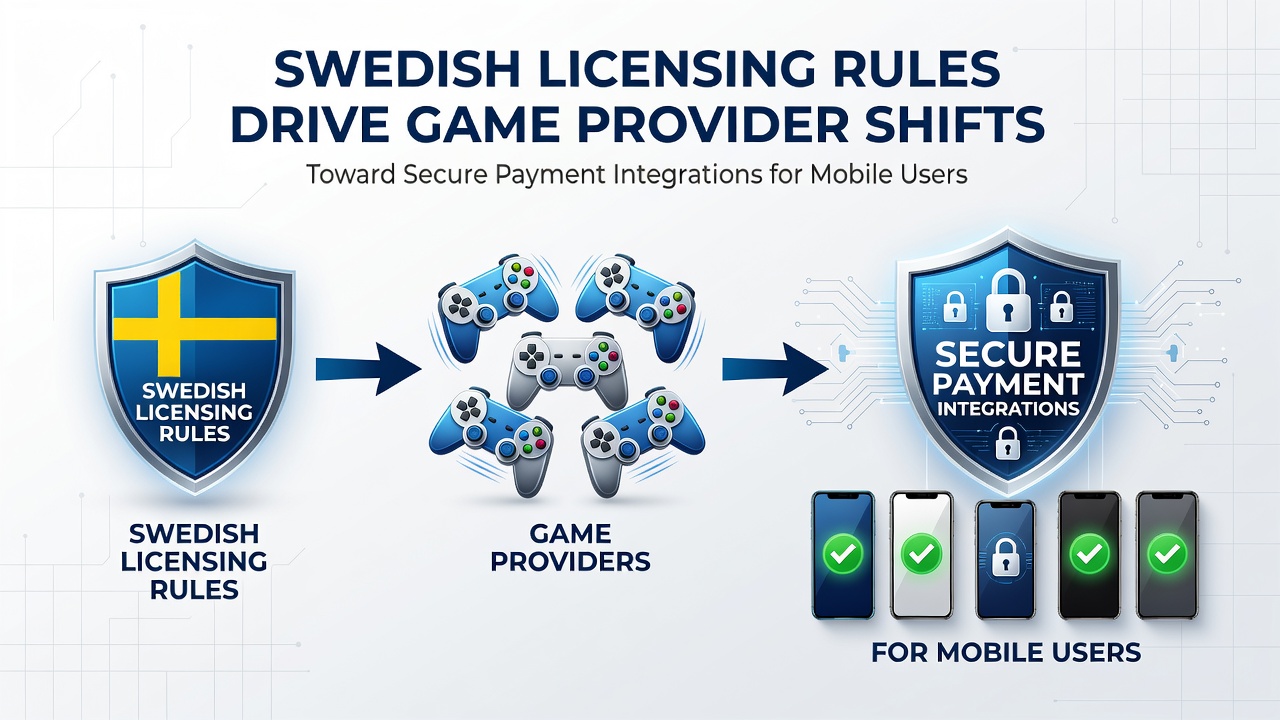
Swedish licensing rules under the Gambling Act have prompted game providers to prioritize secure payment integrations, particularly those optimized for mobile users, as operators seek compliance while maintaining seamless transaction flows. Data from regulatory filings shows that licensed entities must implement traceable, auditable payment systems to prevent money laundering and ensure player funds remain protected throughout each session. Researchers at several European institutions have tracked how these requirements accelerated adoption of bank-based solutions such as instant transfers and digital wallets that function reliably on smartphones and tablets.
Core Elements of Swedish Licensing Requirements
The Swedish Gambling Authority enforces strict standards that tie operator licenses directly to payment security protocols, and game providers have responded by embedding these features into their platforms from the development stage onward. Figures released in August 2026 indicate a measurable increase in mobile-first payment modules among providers targeting the Swedish market, with integration rates climbing as new titles launch. Those who studied the transition note that rules mandate verification steps at deposit and withdrawal stages, which mobile interfaces handle through biometric authentication and encrypted channels rather than traditional card entry methods.
Game providers have adjusted their backend systems to support APIs from approved financial partners, creating direct connections that bypass less secure intermediaries. This shift aligns with broader European directives on digital payments while satisfying local demands for real-time monitoring of transaction patterns. Observers note that compliance teams now review payment flows during every game update cycle, ensuring mobile users encounter no friction when switching between devices mid-session.
Adaptations by Game Providers for Mobile Environments
Providers such as those supplying slots and table games have incorporated secure payment layers that activate automatically when users access titles through native apps or browsers. Studies conducted by academic groups in Scandinavia reveal that these integrations reduce failed transactions by routing payments through regulated channels that verify player identity without requiring repeated data entry. In August 2026, several major studios announced updates that embed payment confirmation prompts directly within gameplay interfaces, allowing players to complete deposits without leaving the mobile screen.
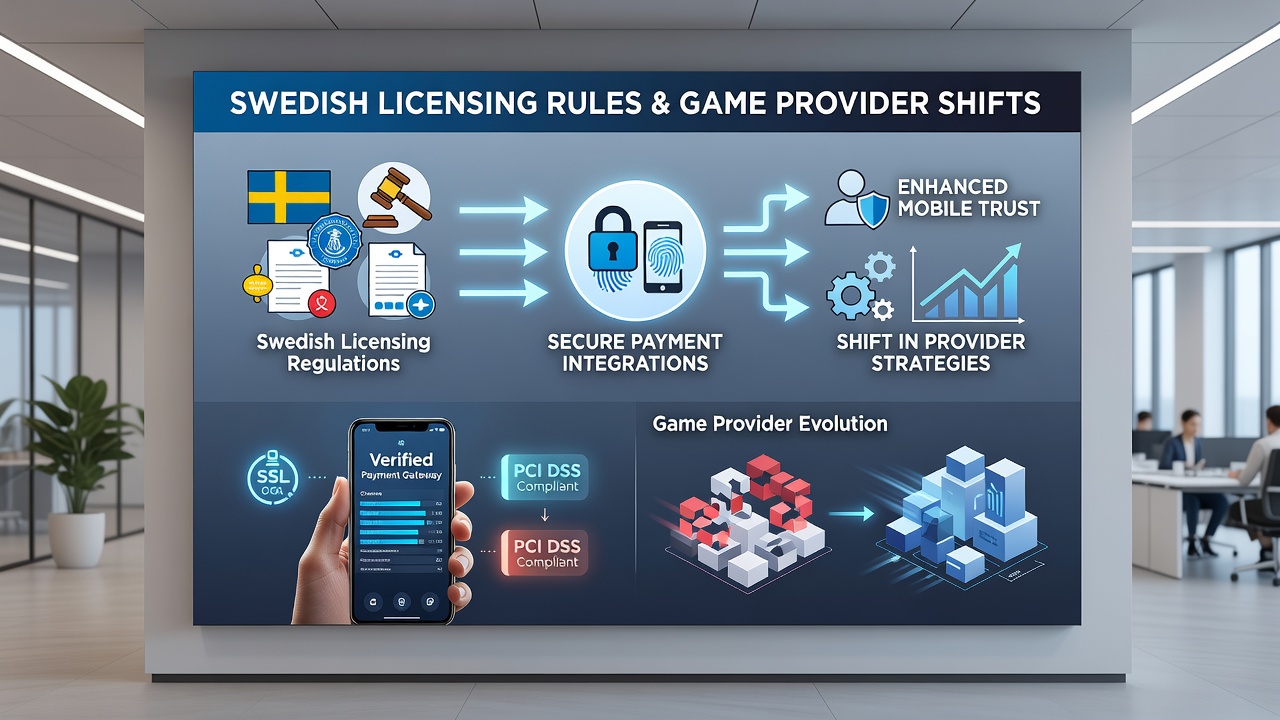
What's interesting is how licensing conditions reward providers who demonstrate proactive security measures, including regular audits of mobile payment pathways. This approach has led to partnerships with technology firms specializing in tokenization and end-to-end encryption, features that protect data as it travels between user devices and operator servers. Evidence from industry reports highlights that such collaborations now form part of standard development pipelines for any studio seeking Swedish market access.
Impact on Mobile User Experience and Transaction Security
Mobile users benefit from payment systems that complete in seconds rather than minutes, yet the underlying architecture logs every step for regulatory review. Data shows that licensed operators recorded higher retention among players who encountered fewer interruptions during deposit processes on smartphones. Those who've examined transaction logs across multiple platforms find that secure integrations correlate with reduced chargeback rates because verification occurs at the point of transfer instead of after the fact.
Game providers have also introduced session-based payment tokens that expire after a set period, adding another layer of protection for users who play across multiple short sessions throughout the day. According to findings from a Canadian research institute focused on digital finance, similar token systems have lowered fraud incidents in regulated markets by significant margins. Swedish rules encourage these innovations by requiring operators to report any anomalies detected in mobile payment streams within tight timeframes.
Broader Market Responses and Technology Partnerships
Industry organizations across the Nordic region have documented how licensing pressure encourages providers to standardize on payment methods already embedded in Swedish banking apps, which mobile users access with a single tap. This standardization reduces development costs over time while ensuring compliance across different device operating systems. Reports from Australian gaming research bodies indicate parallel trends in other jurisdictions where mobile security standards tightened, suggesting the Swedish model influences provider strategies beyond its borders.
Providers continue to test new authentication methods, including facial recognition tied to payment confirmations, to meet evolving expectations set by the licensing framework. These tests occur under controlled conditions before full rollout, with results shared among compliance officers to refine best practices. Figures reveal that by mid-2026 the proportion of mobile transactions using advanced security protocols had risen steadily, reflecting sustained provider investment in compliant infrastructure.
Conclusion
Swedish licensing rules have reshaped how game providers approach payment integrations for mobile users by linking market access to verifiable security standards. Data indicates continued refinement of these systems as new technologies emerge and regulatory expectations evolve. Providers that align early with these requirements maintain operational flexibility while serving users who expect both speed and protection on their devices.